
Paint does more than improve the look of a home. It protects surfaces from moisture, sun exposure, and everyday wear. Over time, however, the way paint is made and applied has changed.
Today, many homeowners and property managers are paying closer attention to sustainable painting practices. They want coatings that last longer, release fewer chemicals, and create less waste during a house painting project.
That shift has pushed paint manufacturers and professional painters to adjust how painting projects are handled. From the type of paint used to the preparation of surfaces, sustainable methods now play a bigger role in modern painting.
This guide walks through how sustainable painting practices work, why they matter for long term building protection, and what professional painters look for when selecting materials and coatings.
Key Takeaways:
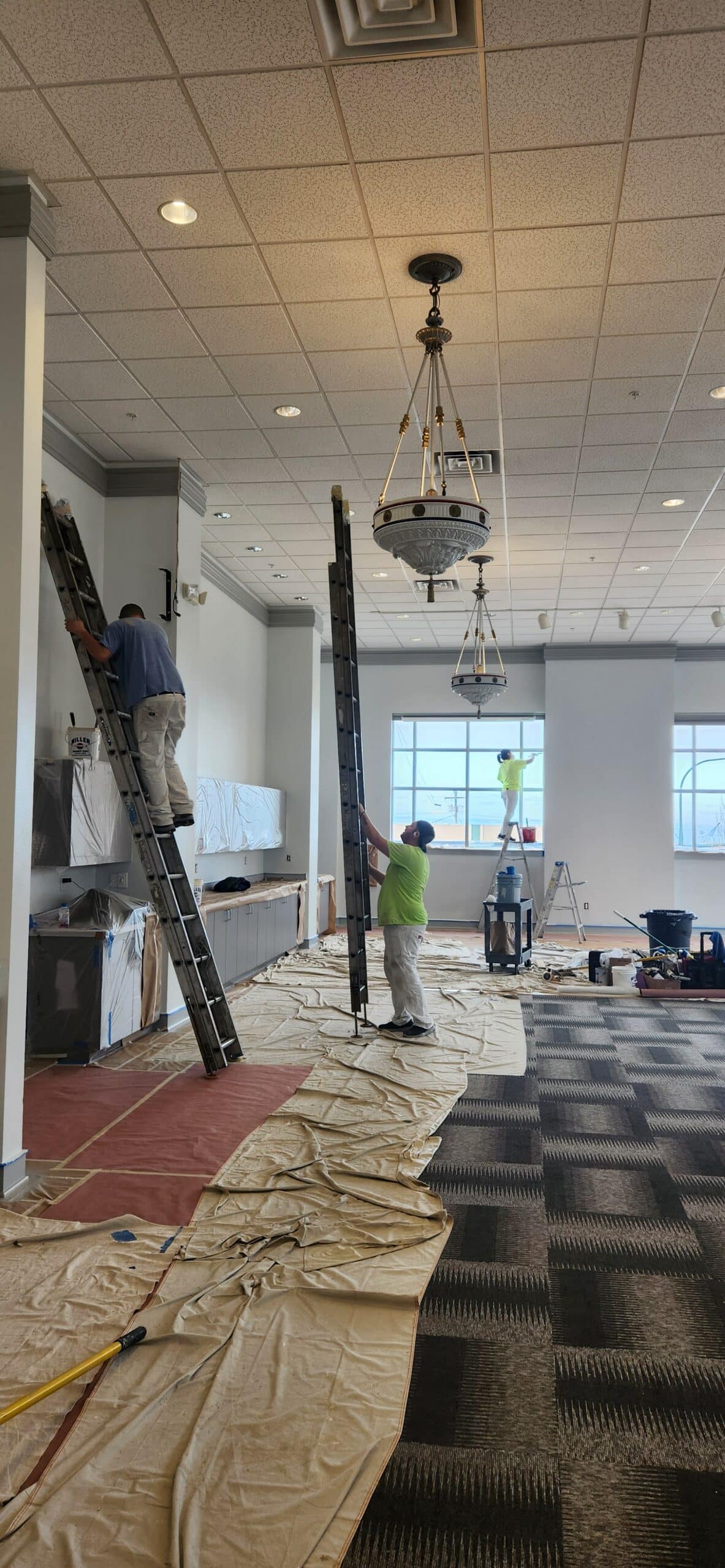
What Sustainable Painting Practices Mean For Modern Homes
The phrase sustainable painting practices often refers to painting methods that protect both the building and the surrounding environment.
This includes the type of paint used, how surfaces are prepared, and how leftover materials are handled once the project is complete.
Paint products have changed quite a bit over the past two decades. Older coatings often contained higher levels of chemical solvents. As the paint dried, those solvents released fumes into the air.
Today many paint manufacturers produce coatings with lower levels of volatile organic compound, commonly called VOCs.
Lower VOC coatings reduce chemical emissions while still delivering strong durability and color retention.
As a result, sustainable painting methods are becoming more common in residential and commercial projects.
Why Low VOC Paint Plays A Big Role In Sustainability
One of the most visible parts of sustainable painting practices is the type of paint being used.
Water based coatings such as latex and acrylic paint now dominate the industry. These products release fewer emissions and produce less odor during application.
At the same time, they still provide strong coverage and long lasting protection.
Some benefits of low VOC paint include:
- Reduced chemical fumes during the project
- Improved indoor air conditions
- Faster drying times between coats
Many modern coatings also include additives that resist mildew, which is helpful in kitchens, bathrooms, and humid climates.
These improvements help balance performance with environmental responsibility.
Surface Preparation Helps Paint Last Longer
Sustainable painting starts long before the first coat of paint is applied.
Preparation plays a large role in how well the coating performs over time. If a surface is not properly cleaned and prepared, paint may fail much sooner than expected.
Professional painters usually begin by inspecting the surface and correcting problem areas.
Common preparation steps include:
- Removing loose or peeling paint
- Cleaning dust, debris, and contaminants
- Sanding rough areas with sandpaper
- Filling imperfections with a putty knife
These steps help the paint bond to the surface.
Better adhesion means the coating is less likely to peel, crack, or fail early. As a result, the paint system lasts longer and fewer repaint cycles are needed.
How Primer Supports Sustainable Paint Systems
Primer may not always get much attention, but it plays an important role in sustainable painting practices.
A primer prepares the surface so the paint can bond properly. It also helps paint cover evenly, which may reduce the number of finish coats needed.
Different surfaces require different primer types.
For example:
- Masonry primer for concrete, brick, and stucco surfaces
- Metal primer to prevent rust on steel components
- Wood primer to seal porous materials before painting
Using the correct primer helps paint form a stronger bond with the surface. That bond helps the coating perform well for many years.
Choosing Durable Finishes That Resist Wear
Durability is another major part of sustainable painting practices. The longer a coating lasts, the less often it needs to be replaced.
Exterior surfaces face constant exposure to weather. Rain, sun, and temperature changes can slowly break down paint over time.
High quality exterior coatings protect surfaces such as:
- Wood siding
- Brick and masonry walls
- Concrete surfaces
- Trim around window openings
Interior coatings also benefit from durable finishes.
Common paint finishes include:
- Eggshell for living spaces and bedrooms
- Satin for areas that require more durability
- Gloss or semi gloss for trim and doors
Each finish offers a balance between durability and appearance.
Choosing the right finish helps the paint system hold up longer under daily use.
Reducing Paint Waste During A Project
Another goal of sustainable painting practices is reducing unnecessary waste.
Paint is carefully estimated before the project begins so the right amount of material is purchased.
This planning step helps avoid large quantities of leftover paint.
Professional painters also take steps to protect surrounding areas during the project.
These areas may include:
- Landscaping near the home
- Roof edges and gutters
- Windows and nearby trim
Controlling overspray and spills helps keep the work area clean while protecting nearby surfaces.
Any remaining paint can often be saved for touch ups or taken to recycling facilities that process unused coatings.
Where Sustainable Painting Fits In Long-Term Building Care
Paint is one of the first lines of protection for many surfaces.
Exterior paint protects siding, trim, and masonry from moisture and UV exposure. Interior coatings protect walls from everyday wear.
That is why sustainable painting practices focus on durability just as much as environmental responsibility.
When coatings last longer, fewer repaint cycles are required.
That means:
- Less paint used over time
- Fewer materials entering landfills
- Lower maintenance costs for property owners
Over the life of a building, those benefits can make a noticeable difference.
A Practical Look At Sustainable Painting Practices
Understanding sustainable painting practices helps homeowners make more informed decisions about how their property is maintained. Safer paint products, proper preparation, and durable coatings all contribute to longer lasting results.
Professional painters follow a structured process that focuses on both performance and responsible material use. That approach protects surfaces such as siding, masonry, wood, and metal while keeping the job site controlled and organized.
At Interland Painting, our team focuses on paint systems designed for durability and long term performance.
Our approach as experienced painters in Seattle, WA includes:
- Inspecting surfaces such as siding, brick, and concrete before painting
- Preparing surfaces through cleaning, sanding, and proper primer use
- Applying high-quality coatings that resist mildew, moisture, and weather exposure
- Protecting surrounding surfaces including windows and roof edges
- Handling leftover materials responsibly during project cleanup
If you would like to learn more about how sustainable coatings can protect your home, the team at Interland Painting is here to help. Call 425-671-2462 for a FREE estimate and learn how our professional painting process supports durable results for homes and buildings throughout Seattle and the surrounding areas.

